
Piercing Shops Near Me: What Military Communities Need to Know
You’re looking for “piercing shops near me,” but not all piercing studios understand military life. Deployment schedules, uniform regulations, and base restrictions create unique challenges most civilian shops can’t handle.
At American Tattoo Society, we’ve served military communities at Fort Bragg, Camp Lejeune, Fort Bliss, Fort Drum, and Norfolk for over 15 years. We know the difference between what looks good and what works with your career.
Why Military Members Choose ATS for Piercing
Regular piercing shops focus on trends. We focus on what survives field exercises and uniform inspections.
Our piercers understand military jewelry restrictions, healing timelines around deployment dates, and which placements won’t interfere with gear. When you’re getting ready for a PCS move or deployment, timing matters.
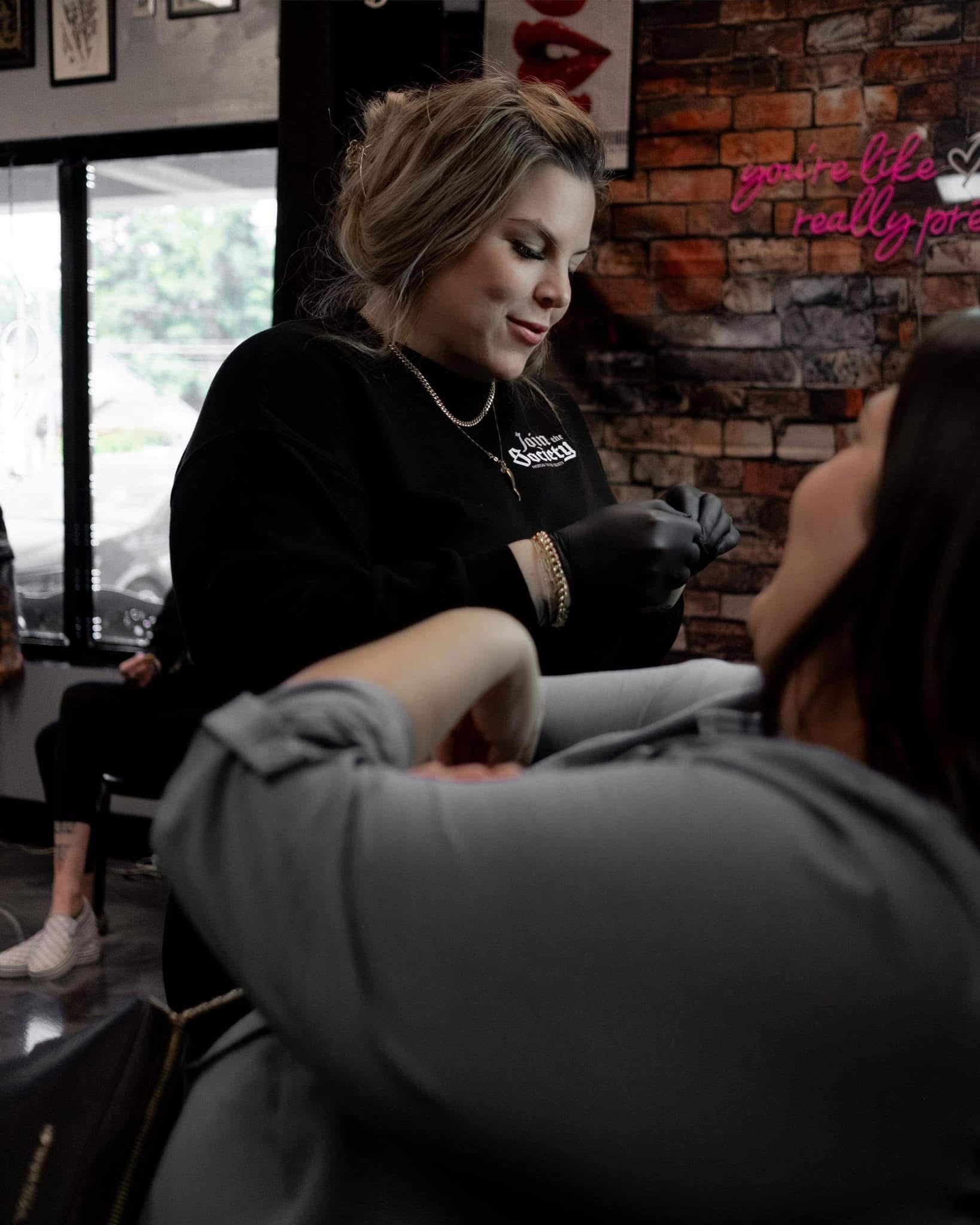
Nicole Harrell, a piercer at ATS Fayetteville, sees this daily. “Civilians get piercings on impulse. Military members plan them around their 4-day.”
Piercing Regulations by Service Branch
Each branch handles body piercing differently. Here’s what you need to know:
Army (Fort Bragg, Fort Bliss, Fort Drum): Females can wear small, spherical earrings in earlobes only. Males cannot wear earrings in uniform. No visible body piercings allowed.
Marines (Camp Lejeune): Stricter than Army. Females limited to one earring per earlobe, small and conservative. No other visible piercings permitted.
Navy (Norfolk): Most flexible on earrings for females. Multiple ear piercings allowed if conservative. Same restrictions on body piercings as other branches.
These regulations change, and your command may have additional restrictions. Always check current guidance before booking.
Most Popular Military Piercings
Military members typically choose piercings they can remove or hide easily:
Ear piercings dominate our military clientele. Females often get multiple lobe piercings or subtle cartilage work they can wear off-duty.
Nose piercings are popular for weekend wear, especially small studs that leave minimal marks when removed.
Navel piercings work well under uniforms and PT gear, making them a solid choice for all service members.
Body piercings like nipples or intimate areas stay completely hidden, so they follow the “don’t ask, don’t tell” principle most commands apply.
Age Requirements for Military Piercing
You must be 18 to get pierced without parental consent at ATS locations. This applies across North Carolina, Texas, New York, and Virginia.
For military members under 18 (rare but happens with early enlistees), you’ll need:
– Valid military ID
– Parental consent form
– Parent present or notarized permission
Most junior enlisted wait until after basic training and AIT/A-School to search “tattoo shops near me” to get new piercings. Smart move — gives you time to understand your unit’s culture.
Healing Considerations for Military Life
Standard healing advice doesn’t account for military schedules. Here’s what actually works:
Ear piercings: 6-8 weeks minimum, but plan for 12 weeks if you have field time scheduled. Helmets and headsets complicate healing.
Nose piercings: 8-12 weeks, longer if you’re in dusty environments or wearing gas masks regularly.
Navel piercings: 6-9 months full healing. Body armor and belt placement can cause irritation.
We stock Skin Reserve aftercare products designed for field conditions. Standard piercing aftercare fails when you’re dealing with MREs, limited shower access, and gear that rubs.
Choosing the Right Piercing Studio Near Base
Not every shop advertising “piercing near me” deserves your business. Here’s what to look for:
Proper licensing and health department certification. Military members can’t afford infections that impact readiness.
Understanding of military schedules. Can they work around duty rotations and deployment prep?
Quality jewelry selection. Cheap metal causes problems that expensive medical bills.
Military-specific aftercare guidance. Do they understand field conditions and deployment logistics?
Pre-Deployment Piercing Timeline
Getting pierced before deployment requires careful timing:
6+ months out: Any major piercing works. Full healing before you leave.
3-6 months out: Stick to simple ear piercings. Avoid cartilage or body piercings.
Under 3 months: Skip it. New piercings and deployment don’t mix well.
Fresh piercings need consistent aftercare and clean environments. Deployment conditions work against both requirements.
ATS Piercing Locations Serving Military Communities
ATS Fayetteville (Fort Bragg): Our flagship location with the most experienced military piercing team.
ATS Jacksonville (Camp Lejeune/MCAS New River): Specialists in Marine Corps regulations and culture.
ATS El Paso (Fort Bliss): Desert environment specialists who understand dry climate healing challenges.
ATS Watertown (Fort Drum): Cold weather piercing experts for harsh Northeast conditions.
ATS Norfolk (Naval Station Norfolk): Navy-focused team familiar with shipboard life considerations.
Frequently Asked Questions
Can I get pierced right before basic training?
No. Fresh piercings during basic training create infection risks and potential disciplinary issues. Wait until after graduation.
What happens if my piercing gets infected during deployment?
Serious infections require medical attention that might impact mission readiness. This is why we recommend full healing before deployment.
Can I wear clear retainers to hide piercings during duty?
Check your command’s specific policy. Some allow clear jewelry, others prohibit any jewelry in piercing holes.
Do military medical facilities treat piercing complications?
Yes, but non-essential body modifications might affect how leadership views your judgment. Choose reputable studios to minimize risks.
Can I get pierced during leave/vacation?
Absolutely, but factor healing time into your timeline. Don’t get fresh piercings right before returning to duty.
Are there military discounts for piercing services?
ATS offers military pricing for all services. Bring your military ID for current rates.
What’s the best piercing for someone who wears body armor regularly?
Ear piercings typically work best. Avoid chest, back, or shoulder piercings that contact gear.
Can officers get the same piercings as enlisted?
Same regulations apply regardless of rank, but officers often face stricter scrutiny on appearance standards.
Book Your Military-Friendly Piercing
Ready to get pierced by people who understand military life? ATS locations near Fort Bragg, Camp Lejeune, Fort Bliss, Fort Drum, and Norfolk offer professional piercing shops near me that have services with military-specific expertise.
We’ll work around your duty schedule, respect your career requirements, and provide aftercare that works in real military conditions.
Contact your nearest ATS location to discuss your piercing goals and military timeline. We’ll help you get what you want while keeping your career on track.